Case study: how a Global 500 customer trains 296,000 people across a global partner network
In this global partner network training case study, a Global 500 customer went live in 2018 with 2 instances and about 40,000 people. It now runs 7 linked instances for more than 296,000. Three answers got it there: video on local storage, pay for passed time only, and retention tracked by partner.
How did a Global 500 customer start training a global partner network?
It started small. In 2018 the customer asked us to make learning work across a network of partners, contact centres and sites around the world, at a low cost.
We went live with 2 instances and about 40,000 people. We have kept the customer anonymous, but the story is real.
Today that same customer runs 7 linked instances for more than 296,000 people across the globe, with zero unplanned downtime. Three problems shaped everything between 40,000 and 296,000. This post tells them in order.
What did the customer do about sites with thin internet links?
It put the video on the site. The first wall was bandwidth. Voice calls and training shared the same link at many sites. According to Vonage, one call takes about 80 kbps with the G.711 codec, and about 24 kbps with G.729. A video stream takes many times more. When many people pressed play at once, the calls suffered first.
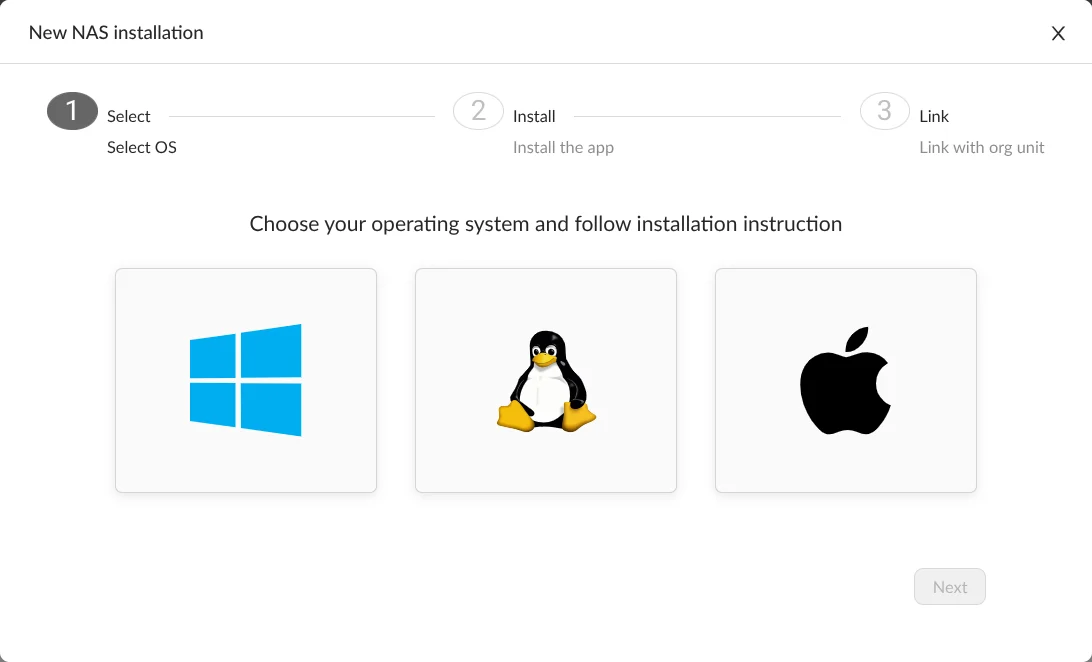
The answer was local storage. Each local admin installs a network attached storage (NAS) app on a machine at their site, on Windows, Linux or Mac, and the platform walks them through it in three steps: select the operating system, install the app, link it to the organisation unit. Lessons then play from that machine on the local network. Scores and progress go back to the centre in quiet hours.
We delivered that in 2018, which gave the customer near-offline training years before it was fashionable. A site with a poor link trained on time, and the phone lines stayed clear.
How did it get partner training hours under control?
It paid for fairly set time, and only when the person passed. The second wall was money. Partners trained their own people, and budgets were limited. The customer wanted a rule it could defend.
The rule: if a course is fairly set at 90 minutes, that is what is paid. If someone takes 120 minutes, the customer still pays 90. If someone learns it in 60 and passes, the customer pays 60.
Fairness needs evidence. So the platform records who started, how long they took and what they scored, and the training bill is produced from that record, not typed in. Here is the idea with illustrative numbers, at £20 an hour:
| Person | Course set at | Time taken | Passed | Paid |
|---|---|---|---|---|
| A | 90 minutes | 120 minutes | Yes | £30 (90 minutes) |
| B | 90 minutes | 60 minutes | Yes | £20 (60 minutes) |
| C | 90 minutes | 45 minutes | No | £0 until passed |
Hours in a room are a weak sign of skill anyway. As Arthur Hsieh argued in EMS1, training hours do not reliably show that someone is competent. Paying for passed time ties the money to the result.
Which partners kept their people?
The customer’s dashboard answered that. It showed graduation rate and 30, 60 and 90 day retention for every partner, with the network average beside each figure. The third wall was churn: people who leave early cost twice, once to recruit and again to train.
The surprise was who sat near the top. A small charity contractor ranked well ahead of far larger providers. Size did not predict retention. We have named nobody and we are not claiming why one did better. The point is that once retention is visible by partner, you can ask better questions, share what works and stop paying for churn.
What did the customer get, and what did we learn?
The customer got training that plays where the work is, an hours bill it can evidence, and a clear view of partner retention. It also got scale: from 2 instances to 7, and from 40,000 people to more than 296,000.
We got something too. Much of what is on this site began as this customer asking for something and a small team building it at a fair price. The questions it asked are the questions Tom and Fred ask now. Can thin-link sites train on time? Can partner hours stay in budget with proof? Can we see which suppliers keep their people?
If your network looks like this one, read how a secure LMS for private networks works, or use our partner training checklist. Our sovereign, closed-circuit AI for manufacturing page shows the wider stack, and smart glasses work instructions shows training at the machine.
When should you start?
Before the network is large. Choose your rule for paying hours, set up local storage at the first thin-link site, and track retention by partner from the first cohort. It is cheaper to begin with 2 instances and 40,000 people than to fix the habits of 296,000.
Next step
Book a demo, or send your SOP and see it play: email mark@skillsvelocity.ai. A redacted or non-sensitive example is fine.
Frequently asked questions
How do you train a global partner network?
Give each site its own copy of the content on local storage, so training does not depend on the shared link. Send scores back in quiet hours. Pay partners for passed time against a fair course length, and track retention by partner so you can see who keeps their people.
How do you train sites with poor internet?
Install a network attached storage (NAS) app on a machine at each site. Video plays on the local network, so it works with a thin link. Scores and progress sync to head office later, when the line is quiet. This gives near-offline training.
Can you pay partners for training by passed time?
Yes. Set a fair length for each course, such as 90 minutes. Pay that length when the person passes, even if they take longer. If they pass faster, pay the shorter time. The record of start, finish and score supports your evidence for each bill.
Does video training slow down a call centre network?
It can. A voice call takes about 80 kbps with G.711, according to Vonage, and video takes many times more. If many agents stream training on a shared link, calls suffer first. Playing video from a local NAS keeps the link free for voice.
Why track retention by partner?
Early leavers cost you twice: once to recruit and again to train. Comparing partners on 30, 60 and 90 day retention shows who keeps their people, whatever their size. You can then share what works and stop paying for churn.
How far can the platform scale?
One Global 500 customer went live in 2018 with 2 instances and about 40,000 people. It now runs 7 linked instances for more than 296,000 people across the globe, with zero unplanned downtime.